Body Fat % Examples
These are body fat percentage examples generated from photos. Use them to get visual context for common ranges and to estimate your own body fat more realistically.
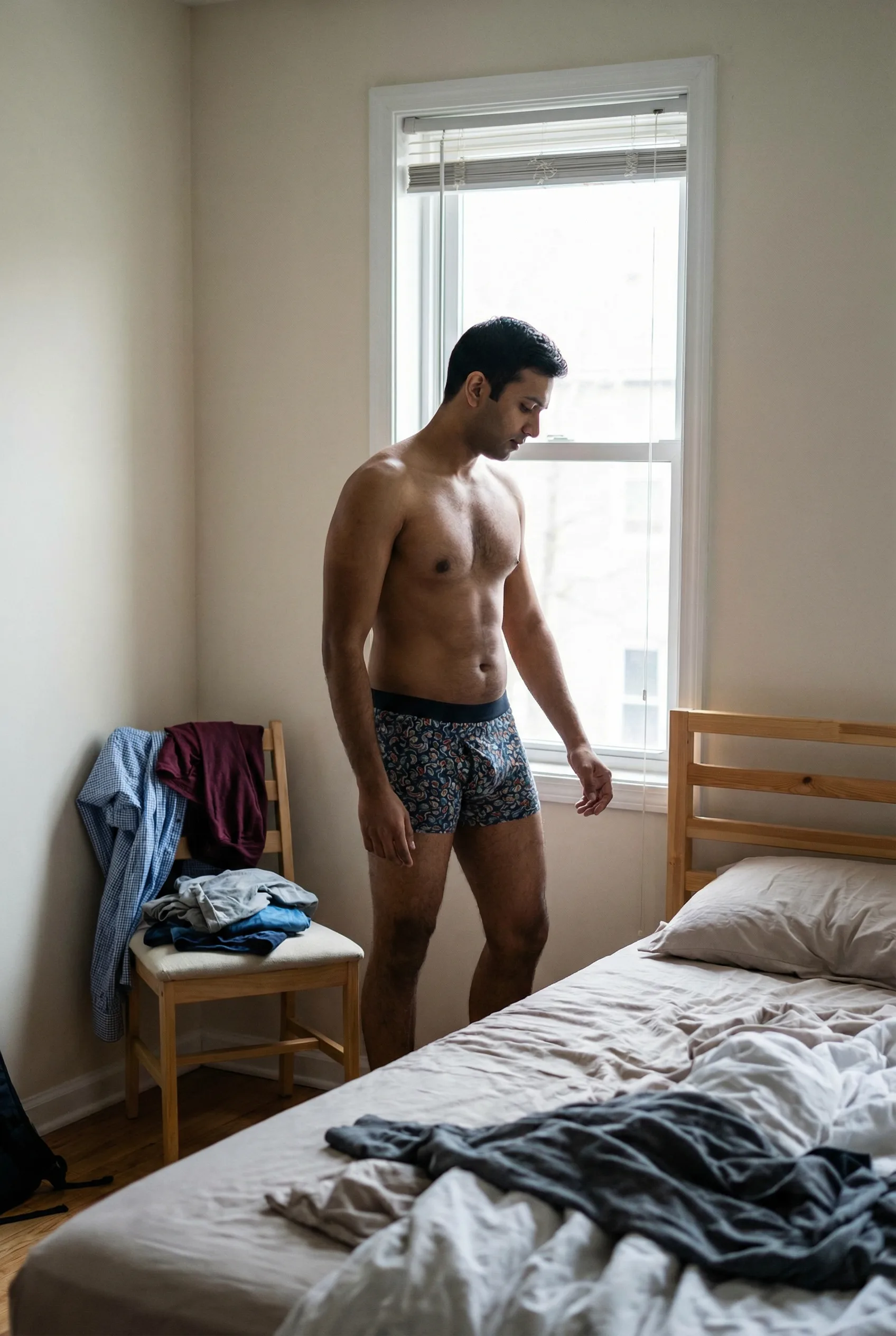
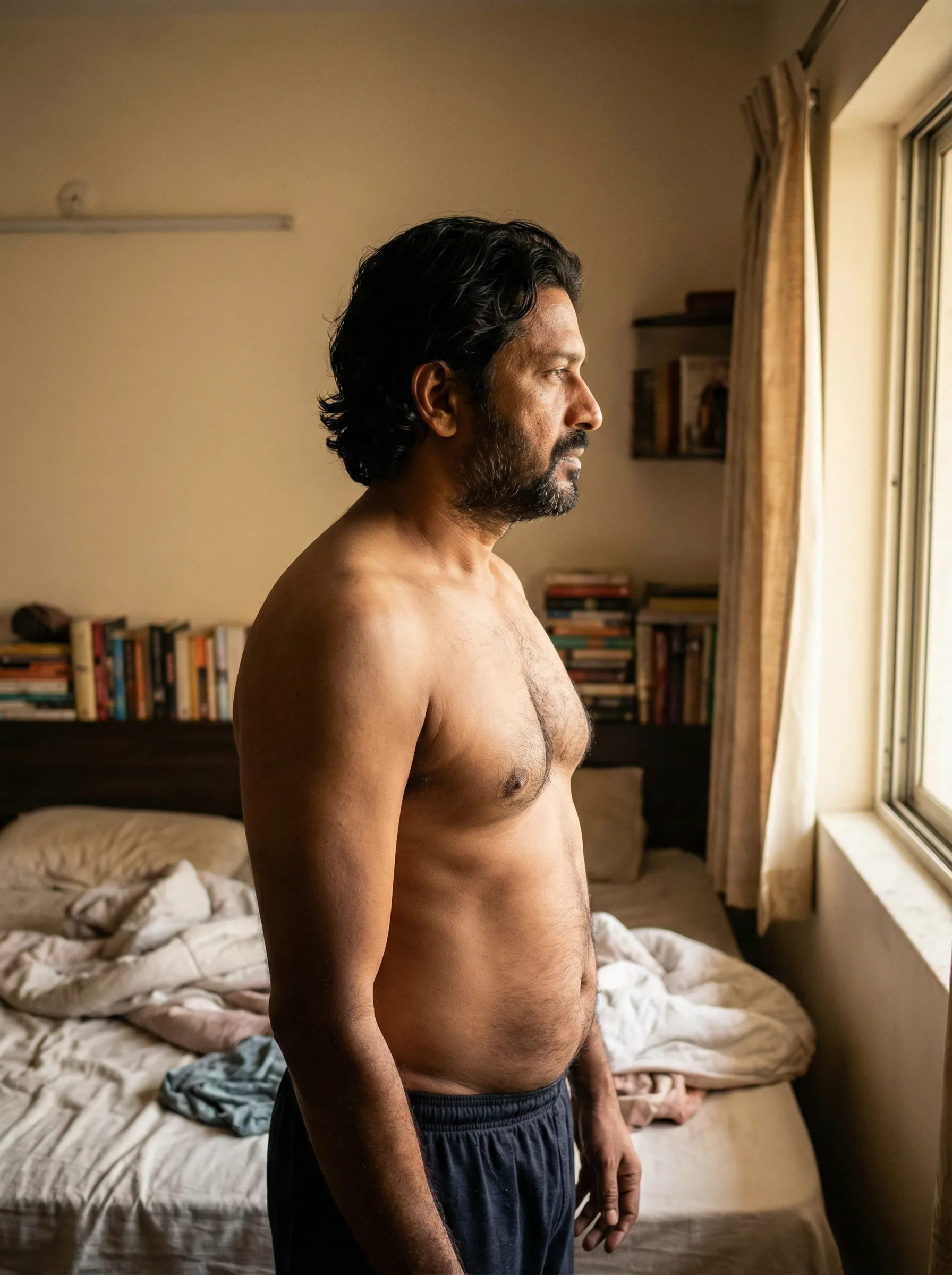
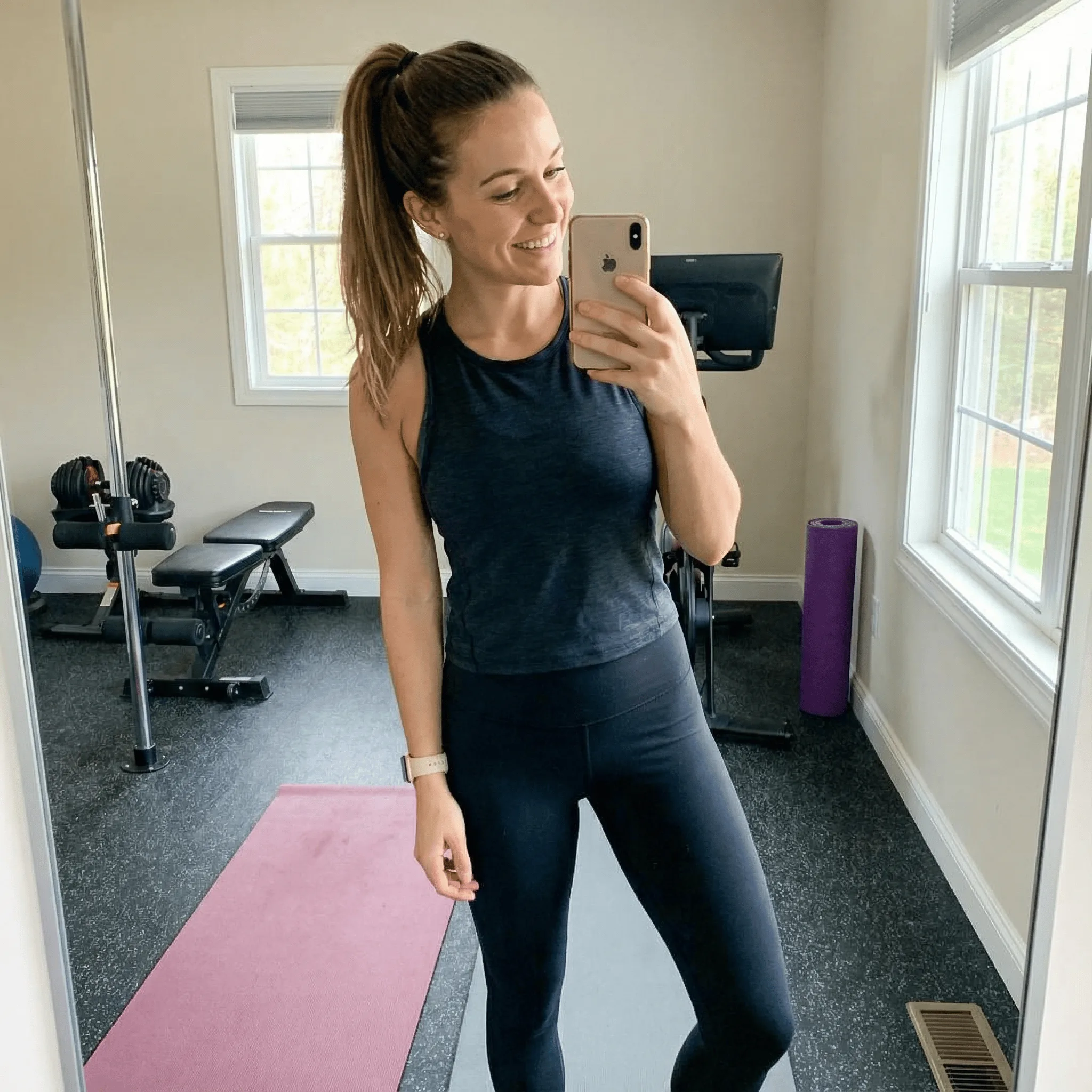
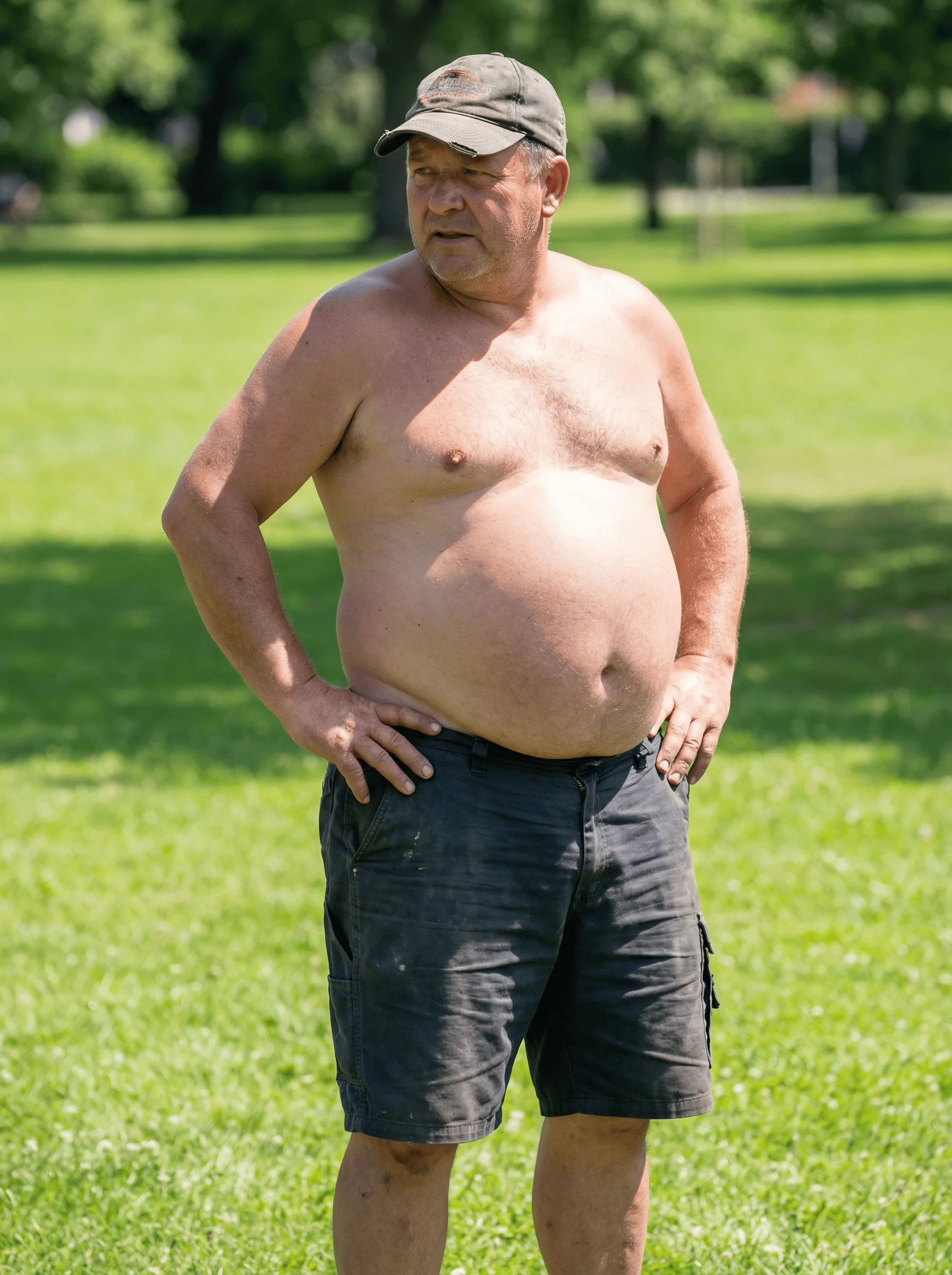
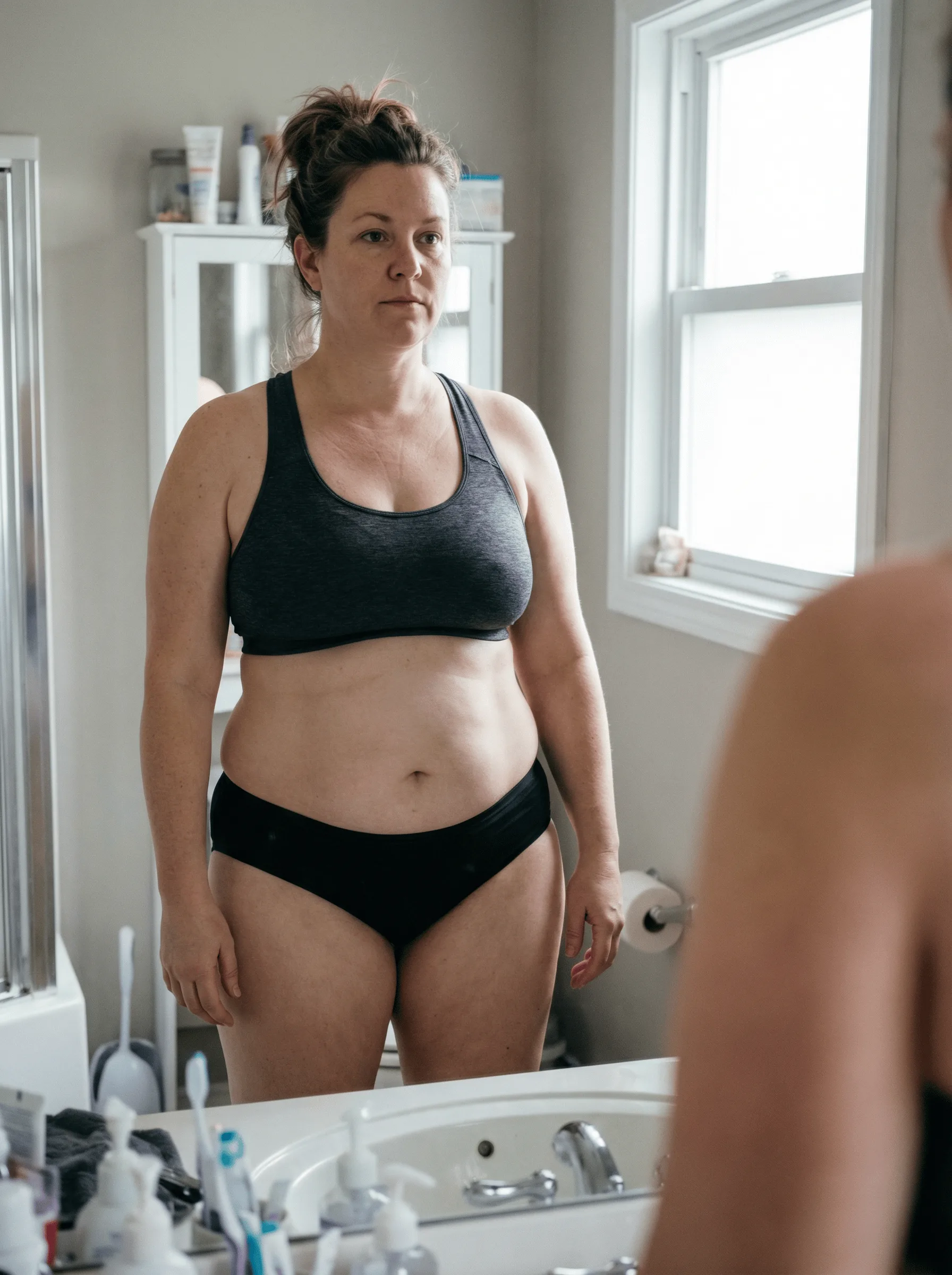
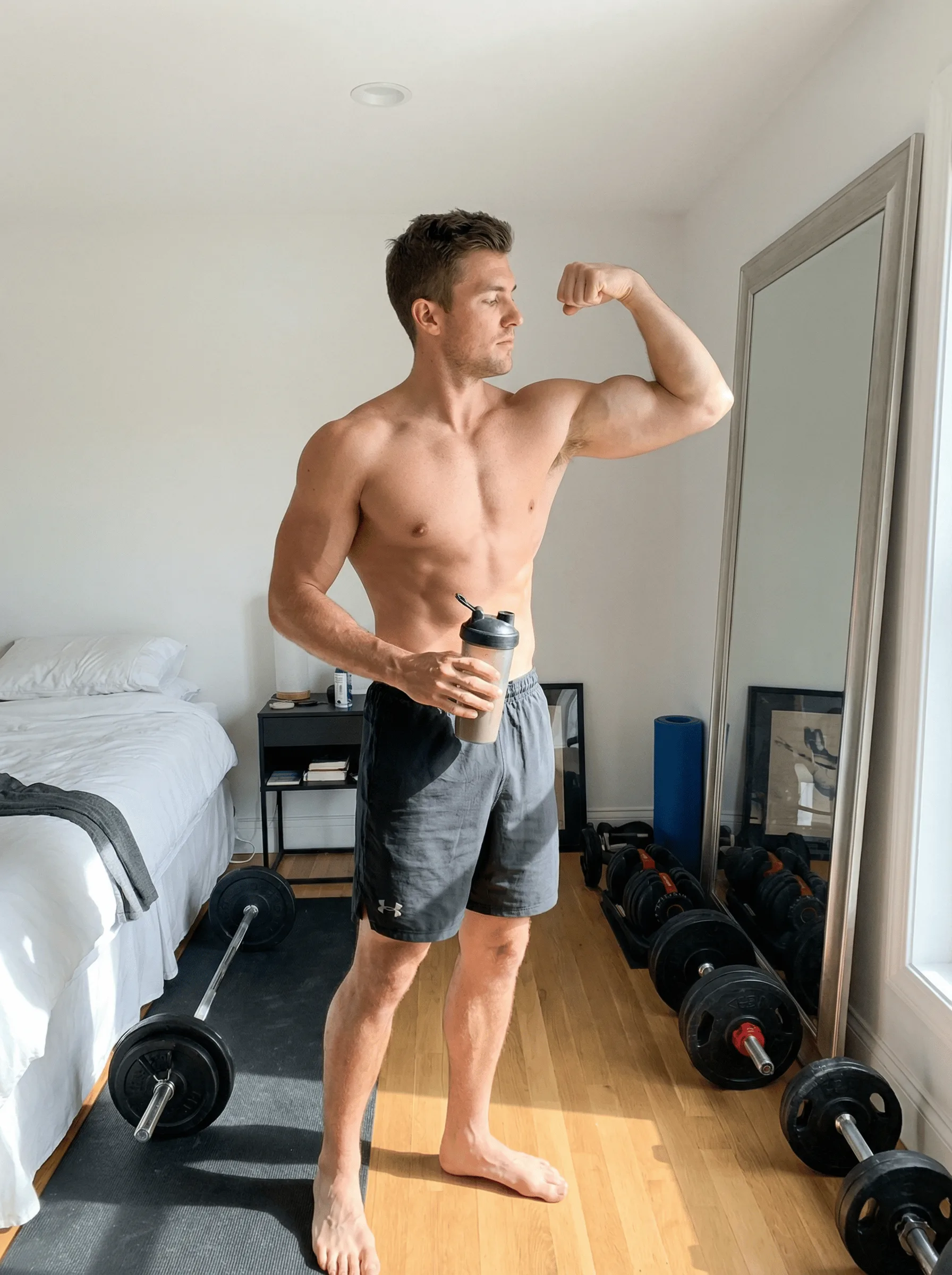
What these body fat examples actually show
Body fat percentage is a useful way to describe how lean or soft someone tends to look, but it’s not a perfect number. These body fat examples are meant to give you visual reference points for common ranges so you can estimate more realistically—and track progress over time without guessing.
The best mindset is: range + trend. Photos can make you look leaner or softer depending on lighting, posture, camera distance, and clothing—without any real body composition change.
How to compare yourself to body fat examples
- Compare overall silhouette (waist/hips/torso shape), not tiny details like ab shadows.
- Look for fat distribution patterns (where softness shows up first).
- Use examples as ranges—don’t try to find your “exact twin.”
- If you’re tracking progress, take photos in the same lighting and distance each time.
For a simple setup, follow: how to take photos for body fat estimation.
Why the same body fat % can look totally different
Two people can be “the same %” and look wildly different. The biggest reasons are muscle mass, frame size, and fat distribution. That’s why visual examples are best used as orientation—helping you narrow down a likely range.
Deep dive here: why two people at the same body fat % look different.
Want a body fat estimate from your own photo?
Try the free AI body fat estimator to get a quick visual estimate and use it for repeatable check-ins over time.
FAQ
What are “body fat examples”?
Body fat examples are visual reference photos that help you understand what different body fat percentages tend to look like. They’re best used to identify a likely range and track changes over time—not as an exact measurement.
Why do two people at the same body fat % look different?
Muscle mass, fat distribution, height/frame size, posture, and lighting can change appearance dramatically. That’s why visual examples work best as ranges and patterns rather than one-to-one matches.
Can I estimate my body fat % from a photo?
Yes—photo-based estimation can be directionally accurate for many people, especially when you use a consistent setup and track trends over time. Treat it as “range + trend,” not a single perfect number.
How should I compare myself to these examples?
Compare overall silhouette and fat distribution (waist, hips, arms, legs), not details like shadows or definition. Use consistent lighting and distance, and check every 1–2 weeks to avoid noise.
 Body Fat Estimator