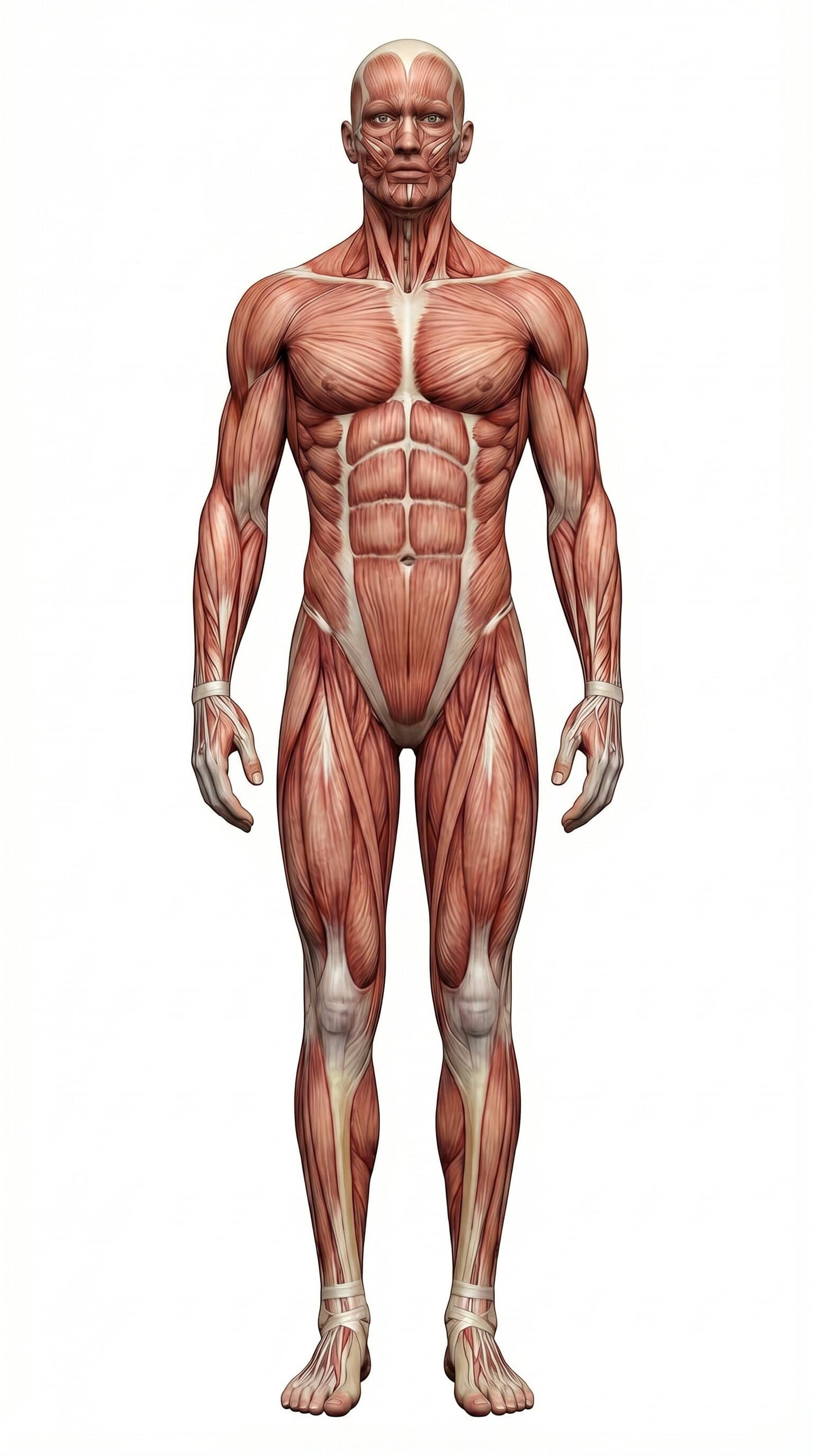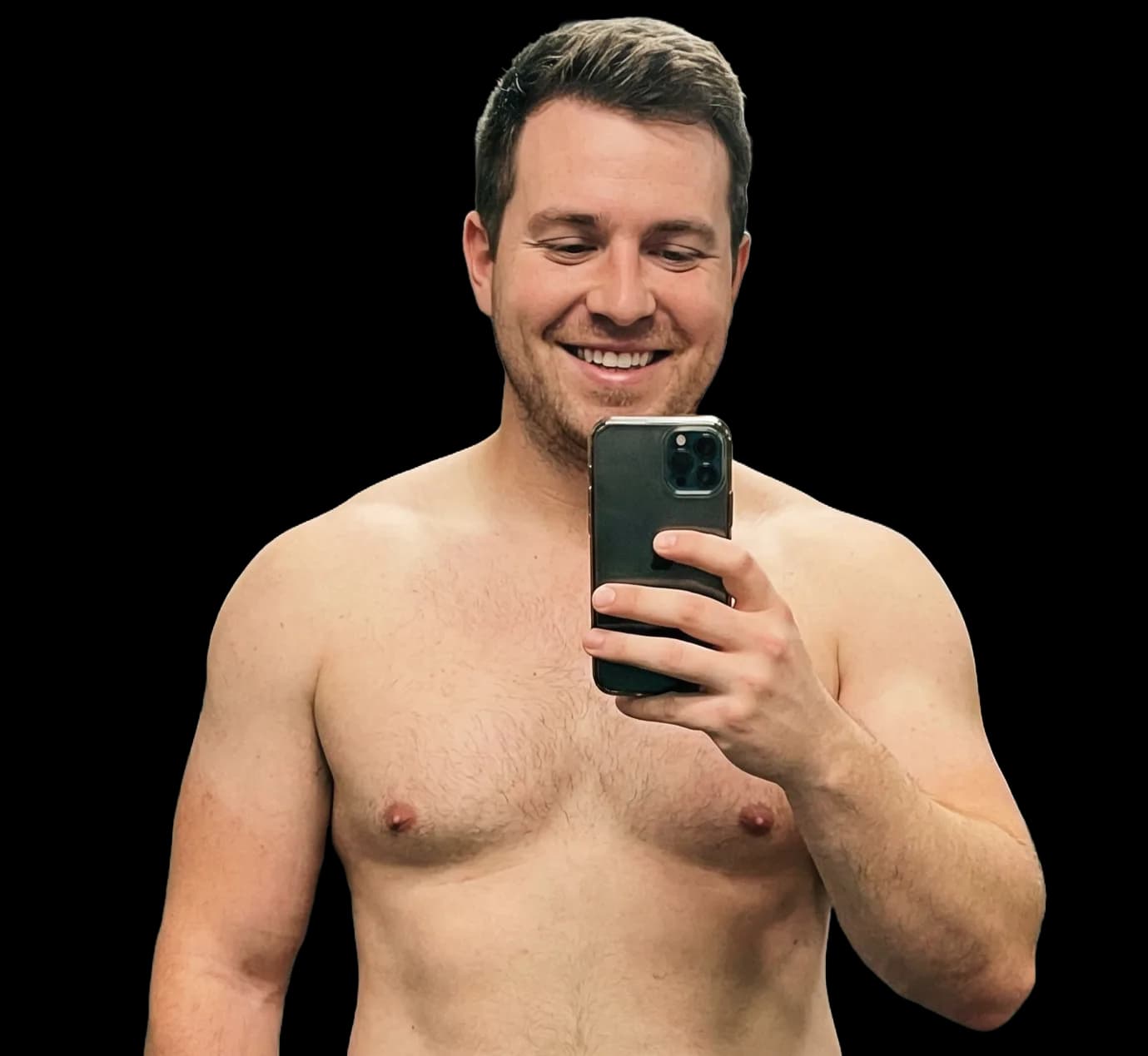
Body fat estimator preview

Calculate Body Fat % with AI

Upload a photo and get a body fat % estimate in seconds. Fast, accurate, and free

drop a photo here,

No photo? Try one of these:

By uploading a photo, you agree to our Terms of Service. To learn more about how bodyfatestimator.ai handles your personal data, check our Privacy Policy.

How Body Fat AI Works

1
Upload a clear body photo for AI body fat analysis

Upload a Clear Photo

Use a full-body photo with even lighting and neutral posture so the AI can read shape and proportions more reliably.
2
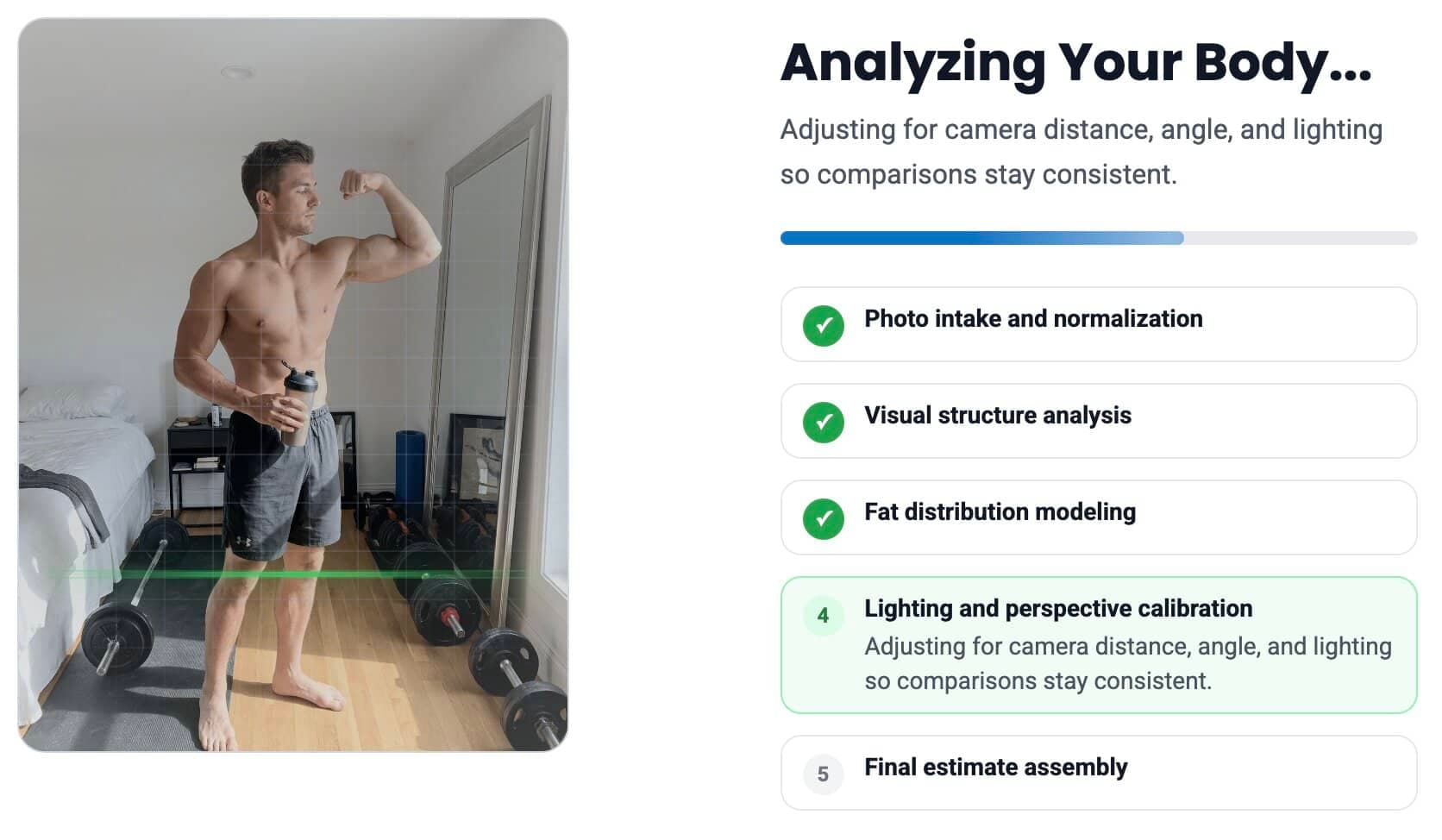
AI analyzing body composition from an uploaded photo

AI Analyzes Visual Cues

The model evaluates body-fat indicators such as fat distribution and silhouette patterns to estimate your body fat %.
3
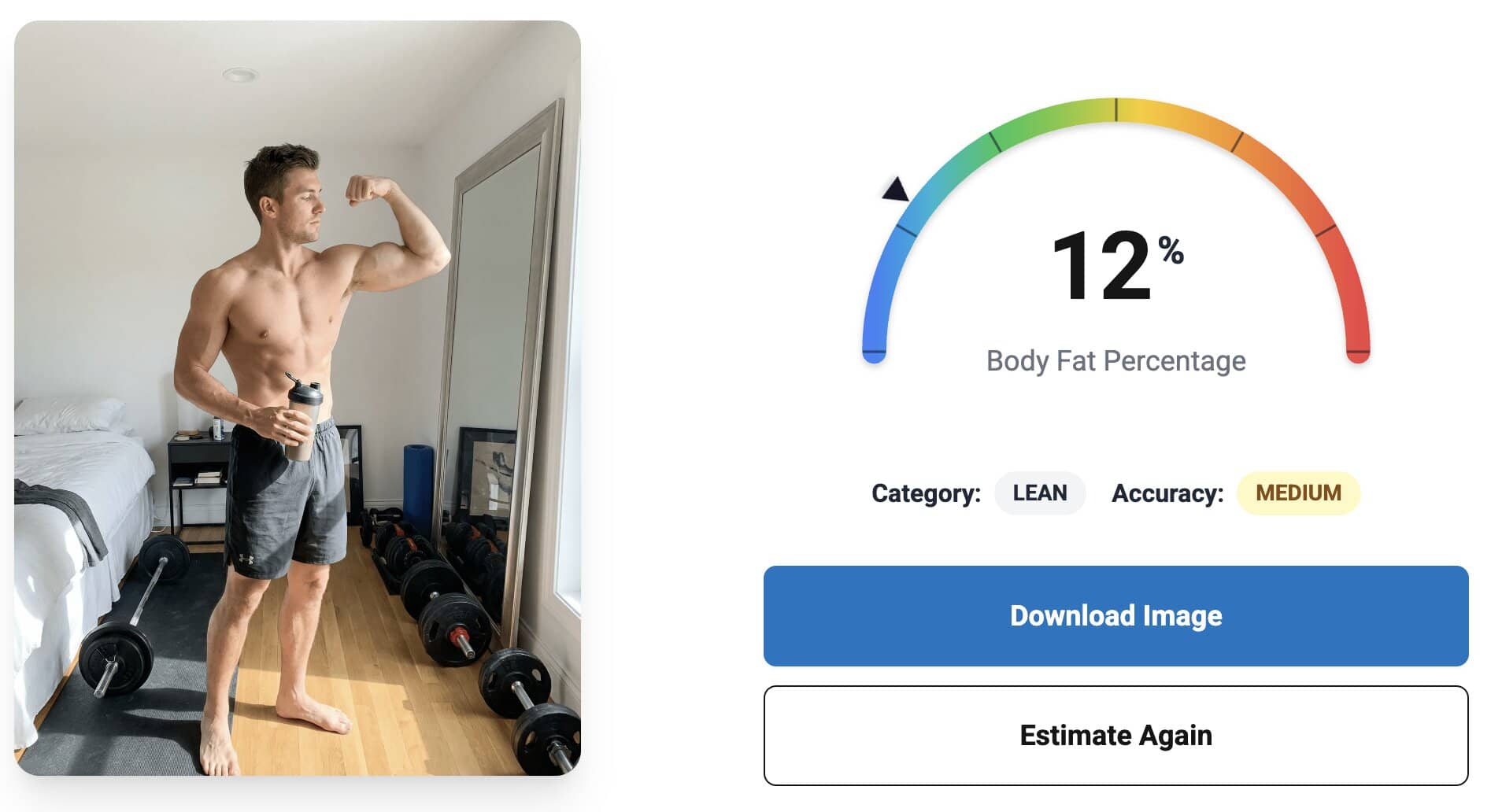
Completed AI body fat estimate result screen

Get Your Estimate

Review your estimated body fat %, then repeat with similar photo conditions over time to track trend changes more consistently.

What Each Body Fat % MeansMEN

RANGECATEGORY
2–5%
Essential
Minimum needed for basic physiological function. Not a casual target.
6–10%
Athletic
Very lean with clear definition for most people.
11–13%
Lean
Visibly fit look; definition often shows in decent lighting.
14–17%
Fit
Everyday lean; healthy and athletic with some definition.
18–22%
Average
Extremely common; definition is limited unless flexed/ideal lighting.
23–26%
Above Average
Some waist softness is typical; photos can exaggerate angle/lighting.
27–30%
High
More visible softness around waist/lower abdomen for many men.
31%+
Very High
Higher overall softness. Focus on consistency and trend tracking.

What Each Body Fat % Looks LikeMEN

male 0% body fat visual reference

Dead (0%)

Theoretical only. No healthy human body-fat level appears like this in real life.
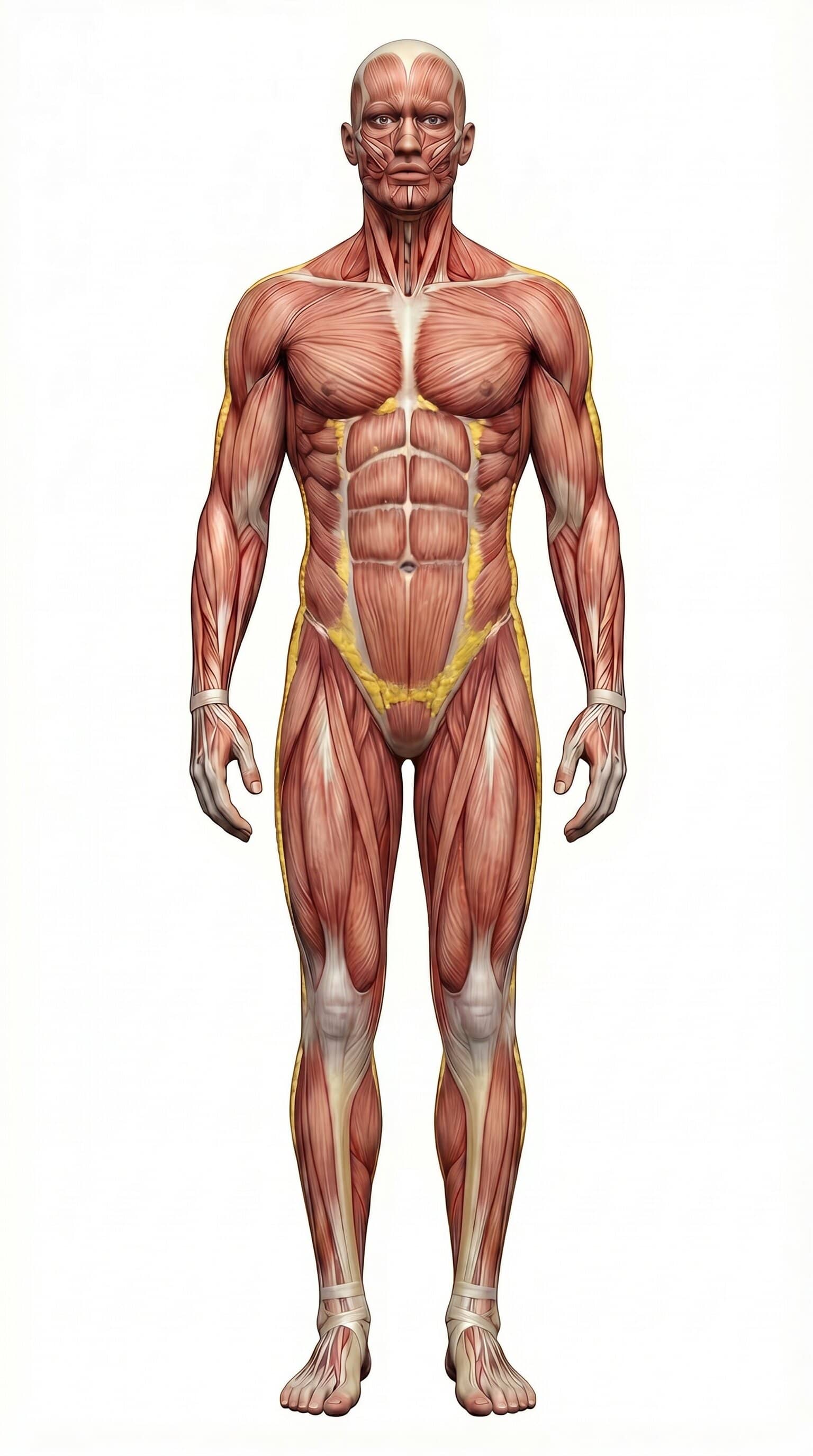
male 5% body fat visual reference

Essential (5%)

Extremely lean, competition-level look with very pronounced definition and minimal subcutaneous fat.
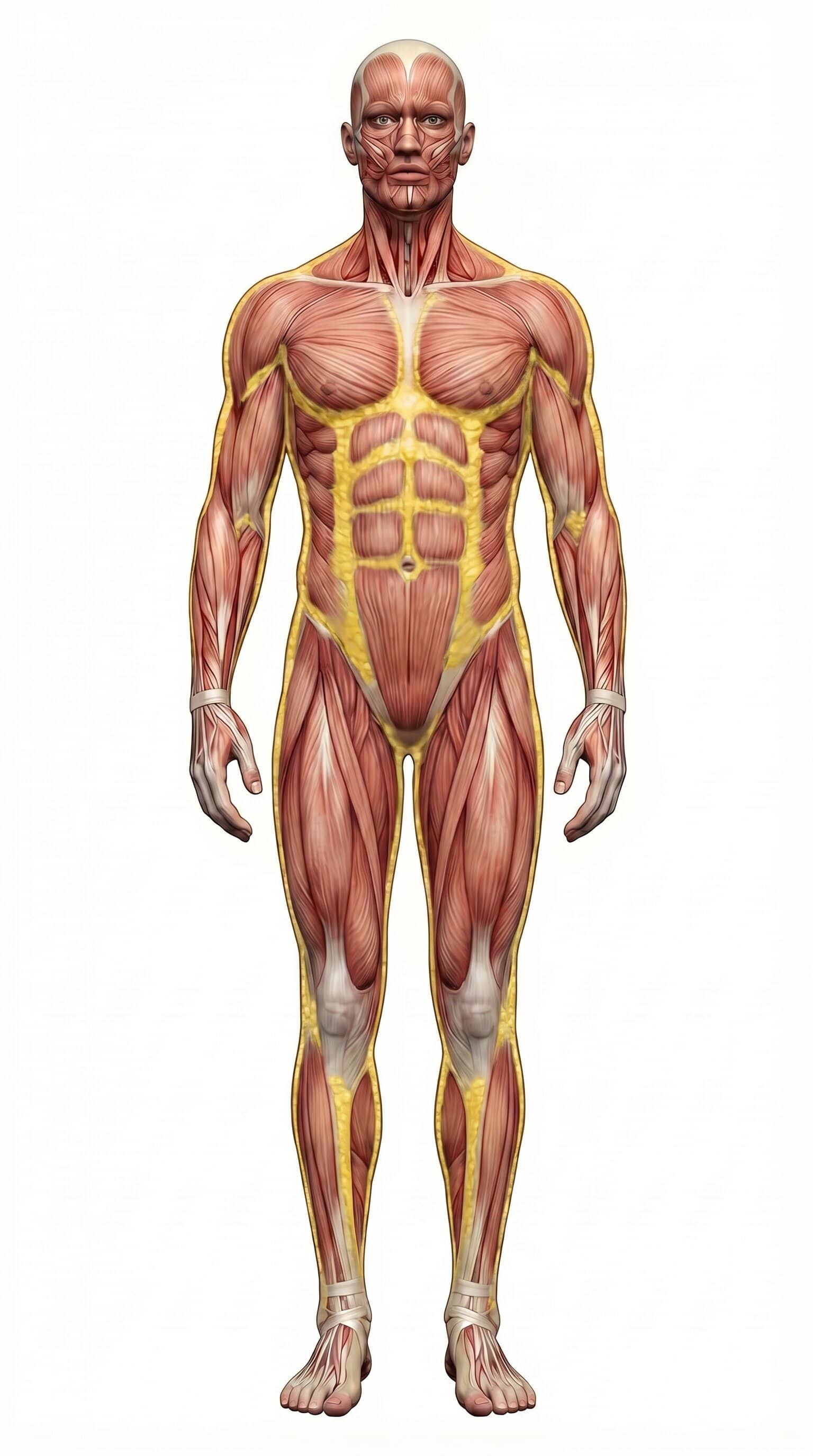
male 10% body fat visual reference

Lean (10%)

Very lean appearance with visible abs and clear muscle separation in normal lighting.
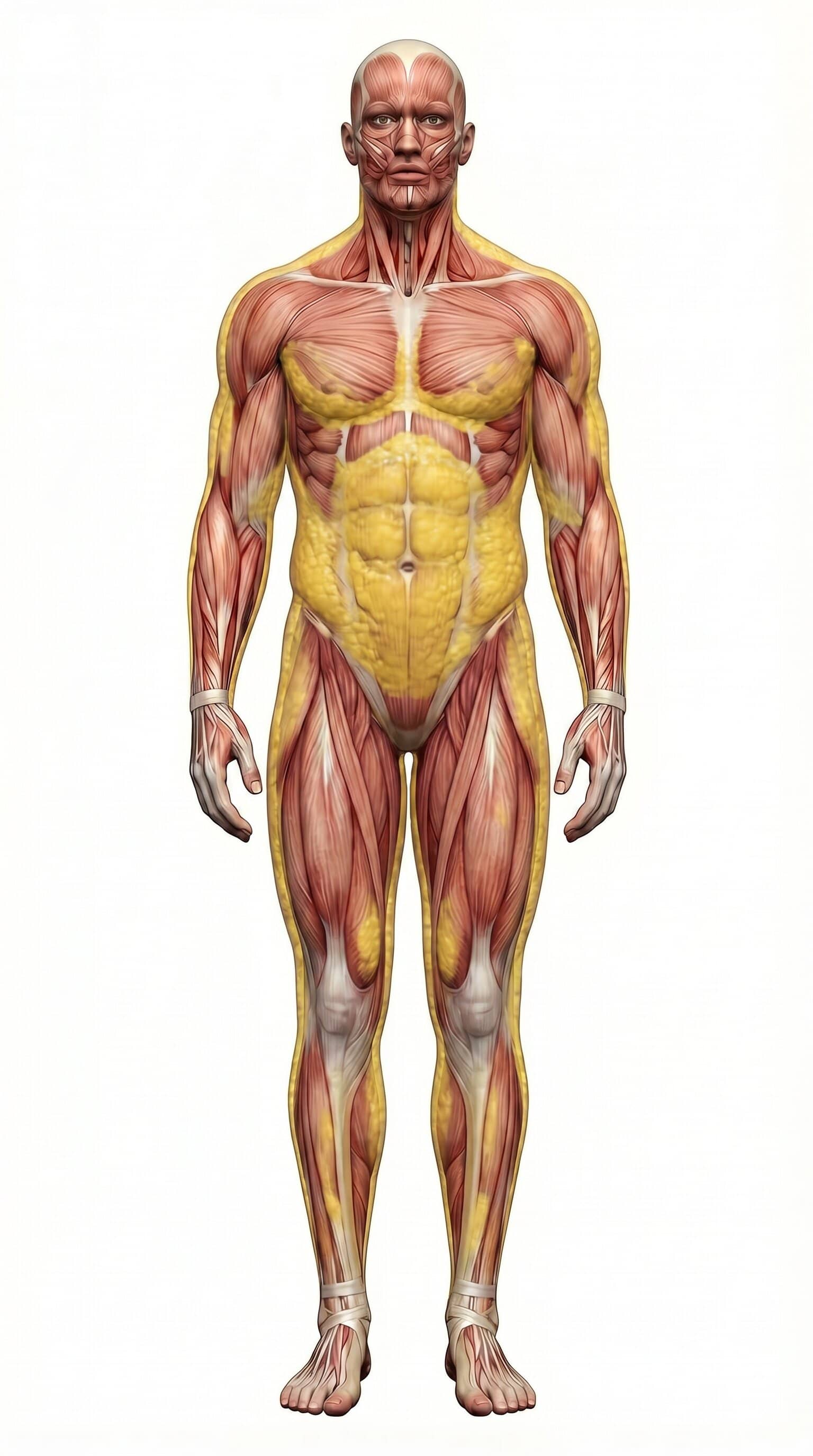
male 15% body fat visual reference

Fit (15%)

Lean and athletic look with good waist definition and moderate ab visibility.
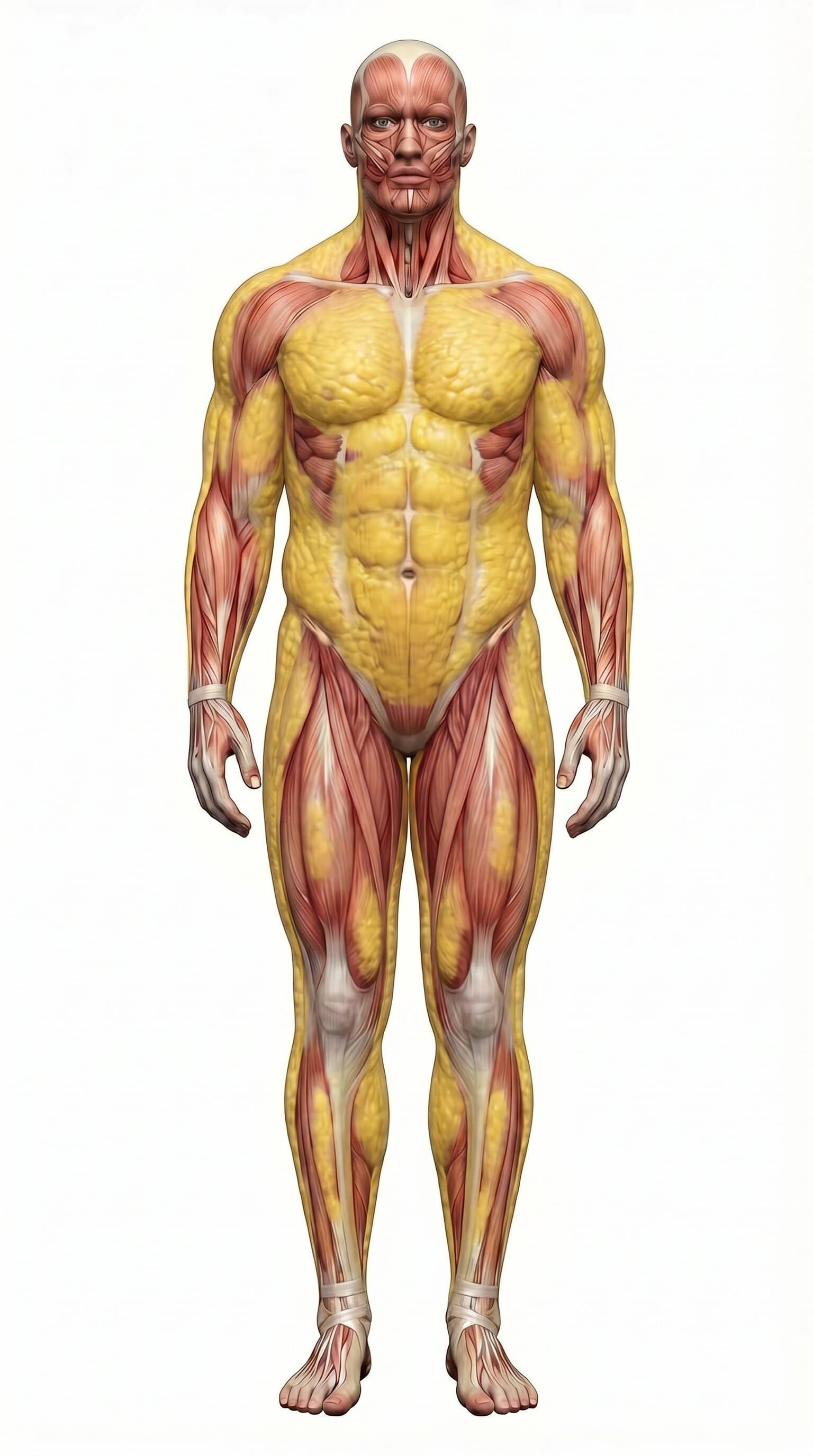
male 20% body fat visual reference

Average (20%)

Average-fit look with some softness at rest, especially around the midsection.
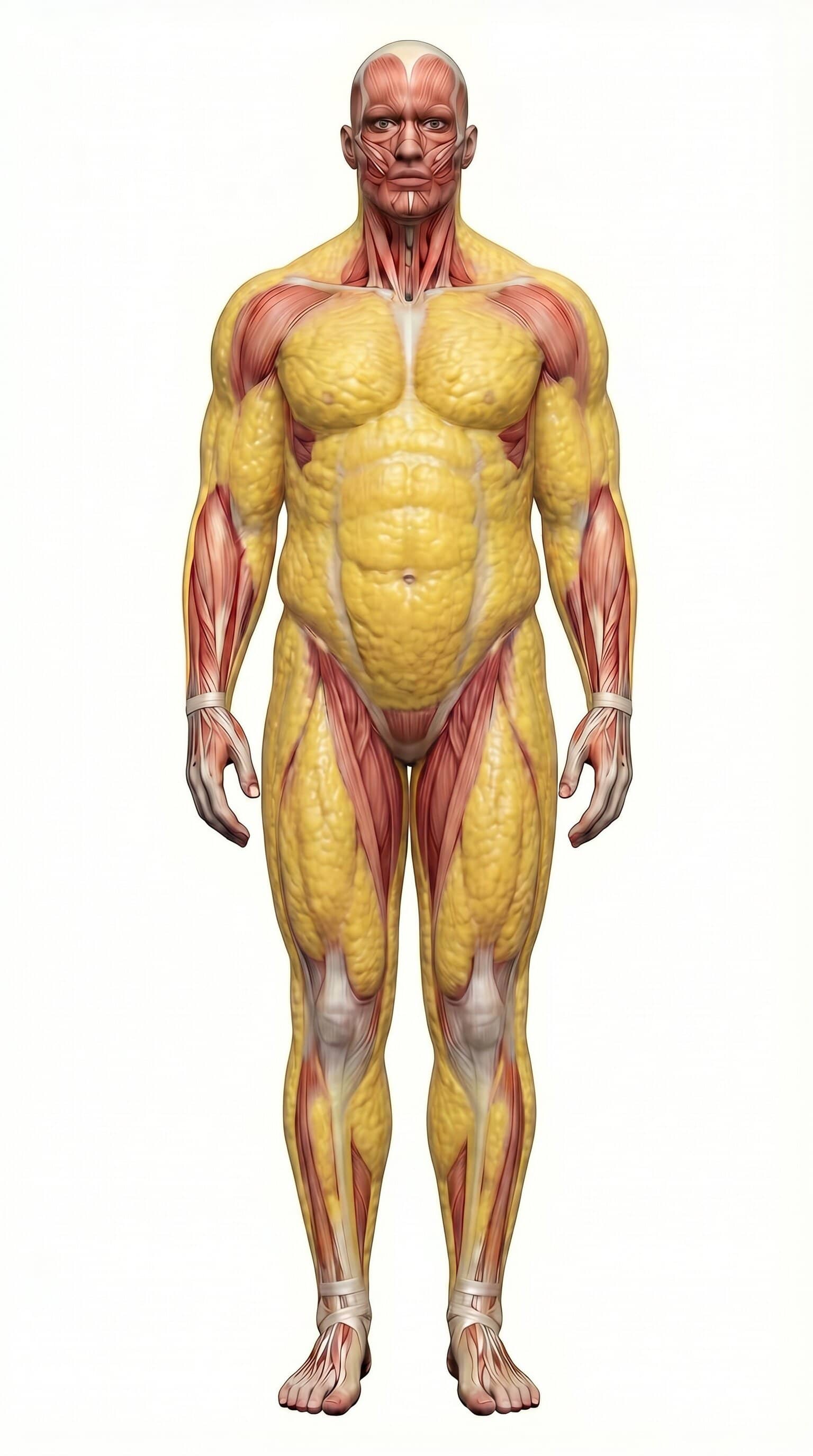
male 25% body fat visual reference

Above Average (25%)

Noticeable softness through waist and lower torso; definition is limited in most lighting.
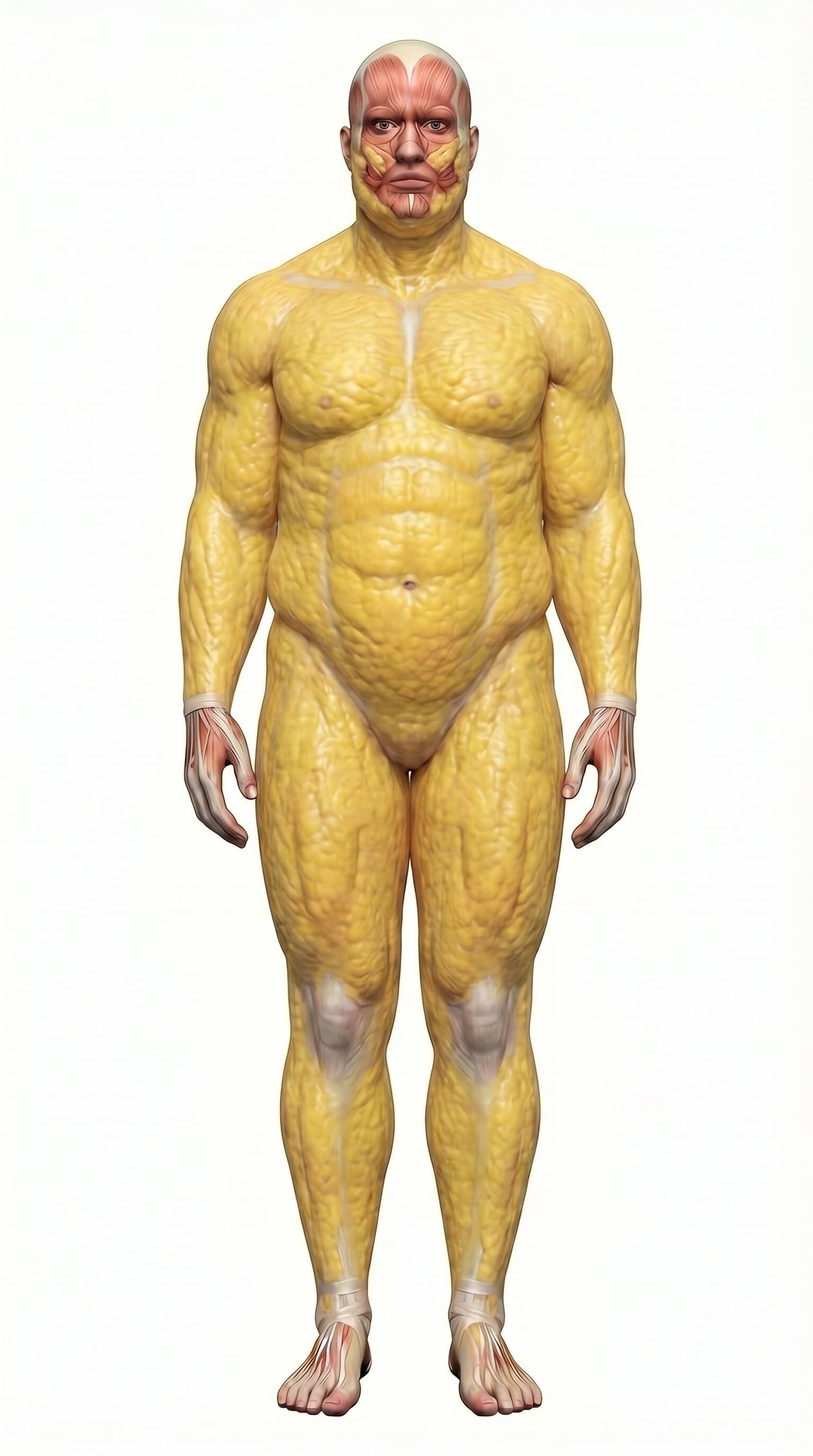
male 30% body fat visual reference

High (30%)

Higher body-fat appearance with visible softness through abdomen and reduced contour definition.
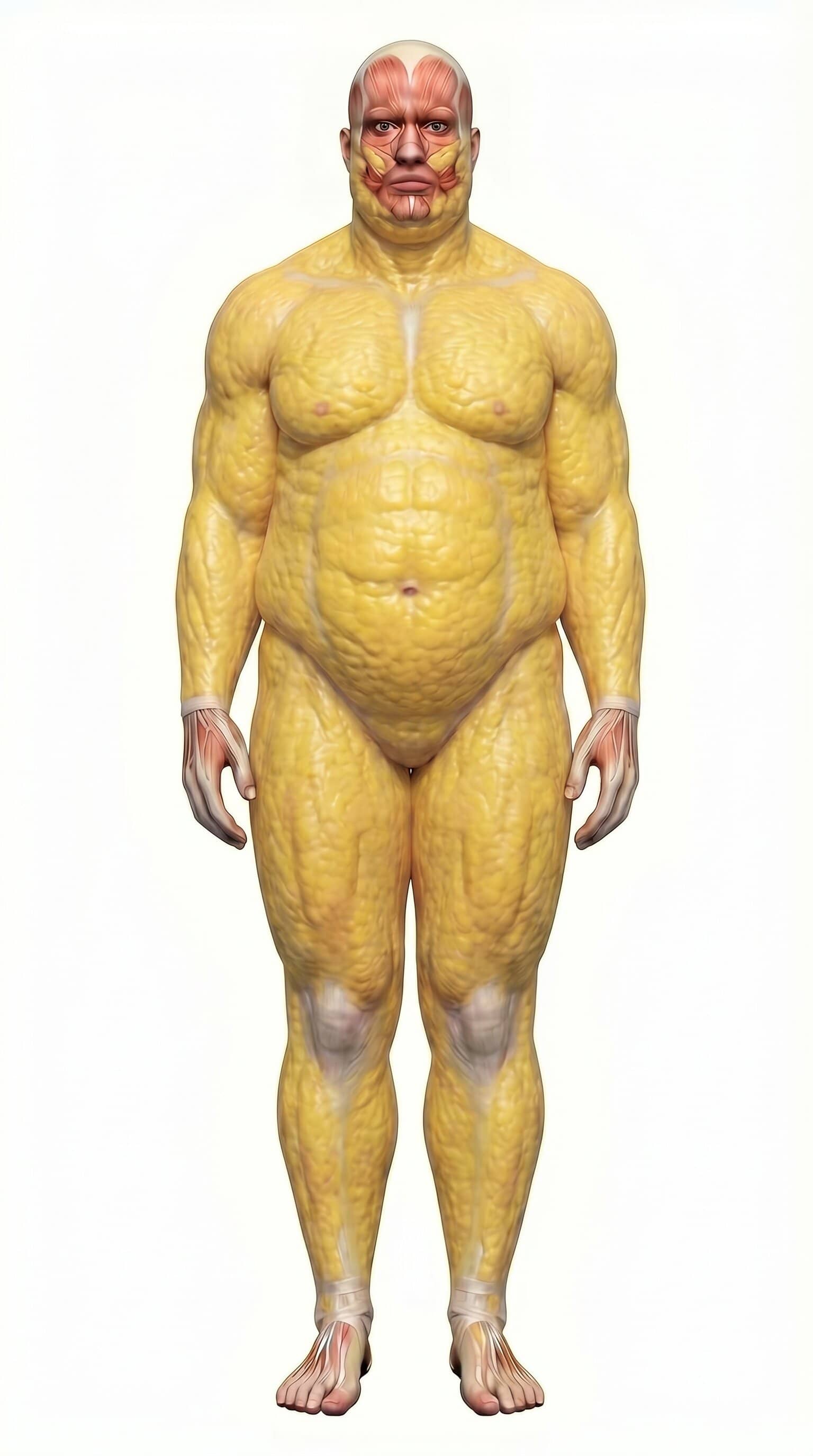
male 35% body fat visual reference

Very High (35%)

Substantial overall softness with less visible muscular structure through torso and limbs.
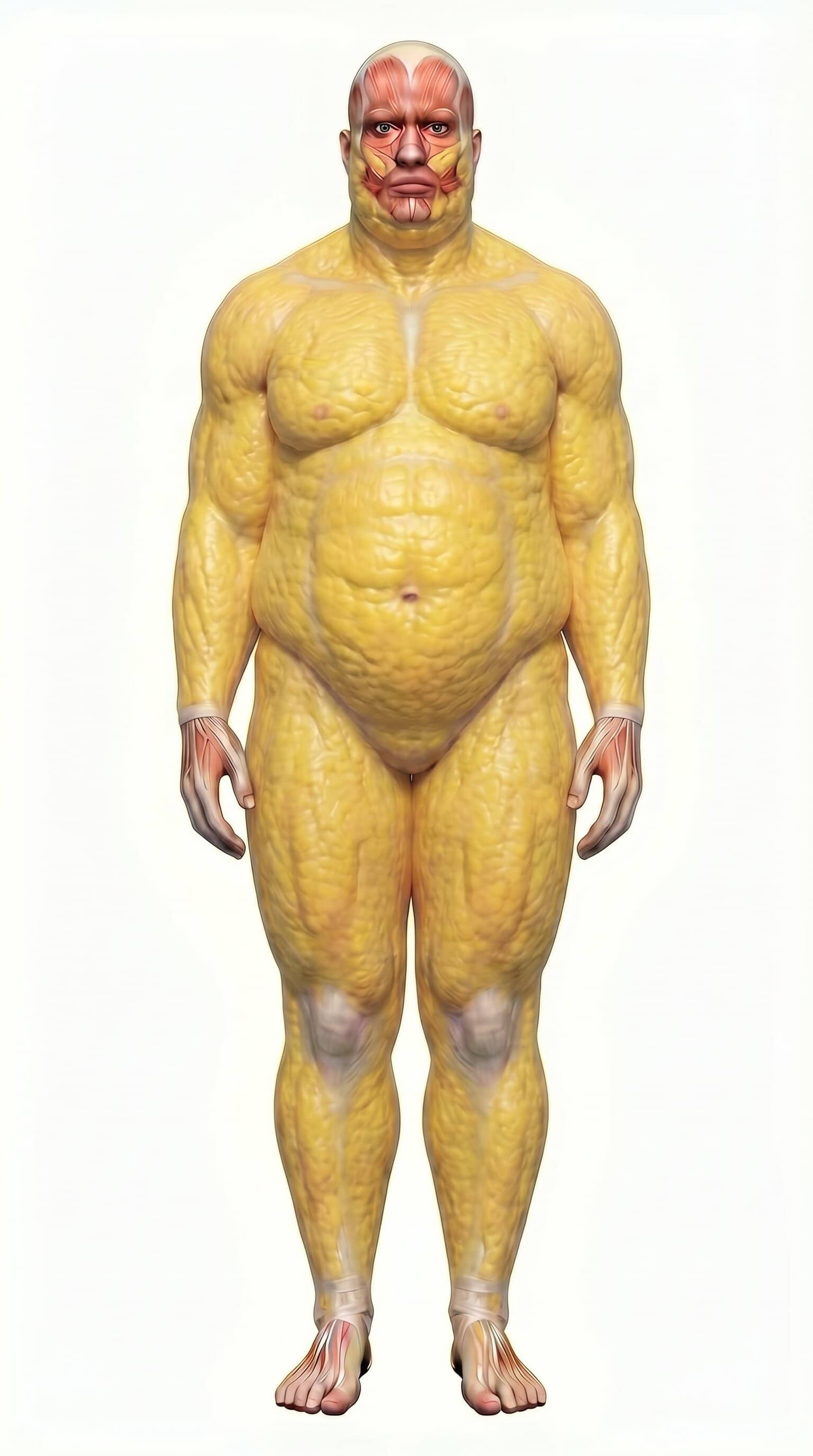
male 40% body fat visual reference

Obese (40%)

Very high body-fat presentation with significant softness and fuller body contours.
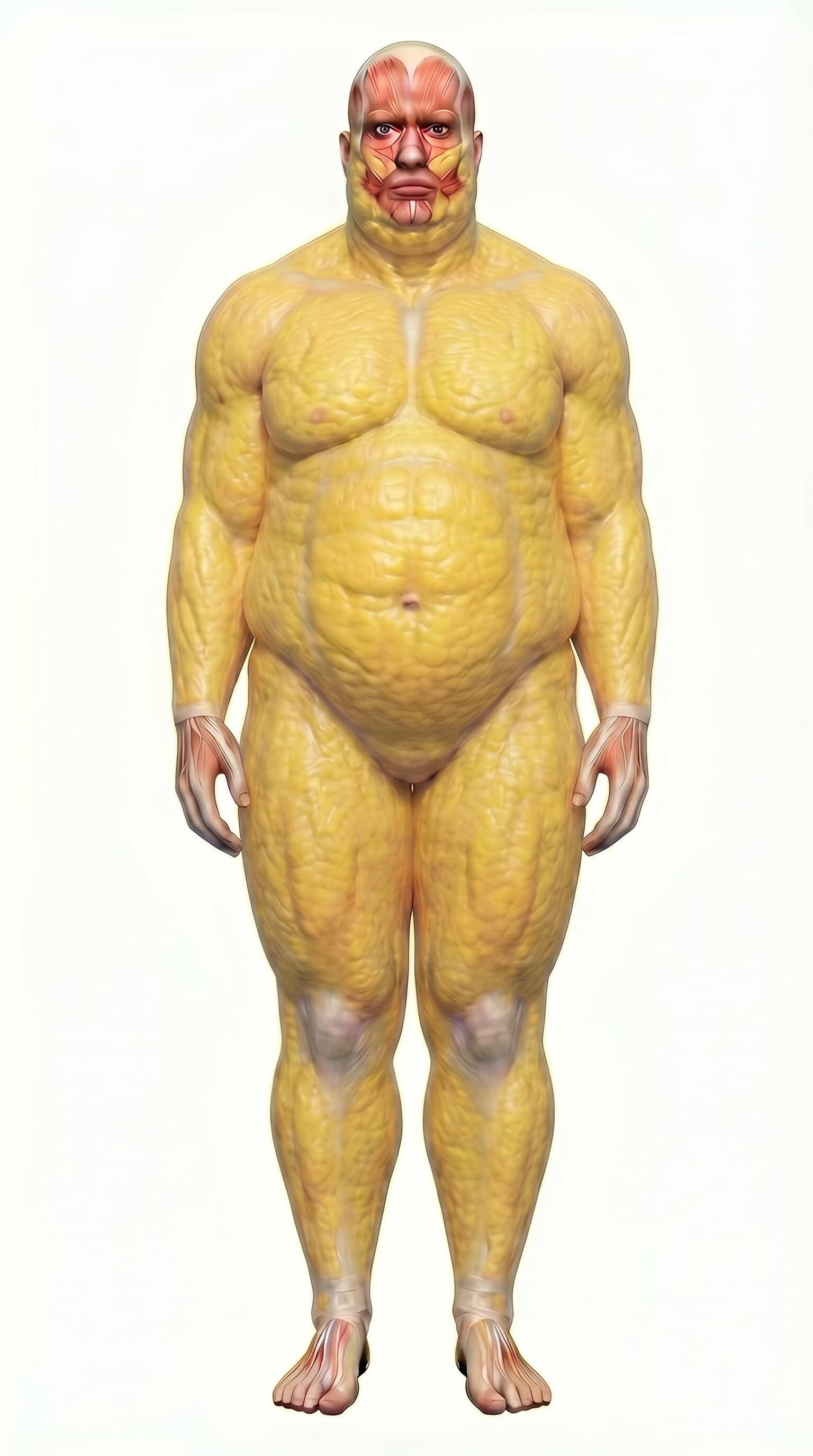
male 45% body fat visual reference

Morbidly Obese (45%)

Markedly high body-fat appearance; shape tends to look rounder with minimal visible definition.

Body Fat Calculator FAQ

Answers to common questions about our AI-powered body fat estimation tool.

How does the body fat calculator work?
Upload a clear full-body photo and the AI analyzes visual cues like shape, fat distribution, and proportions to estimate body fat percentage. This is a photo-based estimate, so photo quality, lighting, pose, and clothing affect results.
What data does Body Fat Estimator AI require from users?
The core input is a clear, recent full-body photo. Better results usually come from neutral posture, even lighting, and fitted clothing that does not hide body shape.
Can I use my smartphone to assess my body fat percentage?
Yes. Most users upload smartphone photos. Use good lighting, keep the camera level, and take the photo from a consistent distance each time.
Is the body fat calculator easy to use?
Yes. Upload your photo, wait for the estimate, and review the range and guidance. No tape measurements or manual formulas are required.
How accurate is the body fat calculator?
It is designed to be directionally accurate, especially for tracking changes over time. It is not a medical test like DEXA, so use it as a trend tool rather than an exact clinical measurement.
How can I improve the accuracy of my results?
Use the accuracy panel recommendations as a checklist before your next upload:
  • Provide front, side, and back photos in neutral, even lighting without strong window light or hard shadows.
  • Include a fully relaxed stance and a non-flexed abdomen in addition to any flexed poses.
  • Stand farther from the camera so the full body from head to ankles is visible with consistent framing.
  • Wear form-fitting shorts so hip and upper-thigh fat distribution is visible.
  • Add a straight-on photo with arms at your sides to better assess waist-to-shoulder ratio and abdominal definition.
  • Avoid morning pump or immediate post-workout photos to reduce temporary muscle fullness affecting visible definition.
How quickly can I get my results?
Most results are returned in seconds. Very large images or slow connections can take a little longer.
Can I track my progress over time?
Yes. That is one of the best use cases. Take photos under similar conditions every one to two weeks and compare trend direction instead of focusing on one single estimate.
How does AI enhance body composition analysis?
AI can evaluate many visual signals at once and apply them consistently. This helps turn photos into a repeatable body-fat estimate workflow when your photo setup is consistent.
Can I compare results with traditional methods?
Yes. Many people compare AI estimates with formula-based calculators or occasional scans. Comparing methods can give better context than relying on one method alone.
How does lighting affect the analysis results?
Lighting has a major impact. Harsh shadows or low light can hide or exaggerate visual definition, which can shift the estimate. Even, front-facing light works best.
What should I wear for the best results?
Wear fitted clothing that allows clear body-shape visibility, such as athletic wear. Avoid baggy outfits, heavy layers, and poses that distort posture.
How often should I use the calculator?
Every one to two weeks is usually enough for meaningful trend tracking. Daily checks often add noise without useful signal.
What are the limitations of the body fat calculator?
It is appearance-based, not a diagnostic tool. Results can vary with lighting, pose, camera angle, and clothing, so it is best for trend tracking rather than medical decision-making.
Can I use photos from social media for analysis?
You can, but results are usually less reliable because social photos often include filters, strong edits, non-neutral poses, or difficult lighting. A fresh, neutral photo is better.
Is there a cost associated with using this tool?
The body fat estimator includes a free experience for quick estimates.
Are there any privacy concerns with Body Fat Estimator AI?
Privacy matters. Photos are processed to generate your estimate and are not sold. We aim to minimize retention and protect user data.
Can I use the tool without an internet connection?
No. The estimator runs online, so you need an internet connection to upload a photo and receive results.
How does the calculator handle different body types?
The tool is designed for broad body-type coverage, but quality can still vary by photo conditions and individual variance. Consistent photos improve reliability for everyone.
What support does Body Fat Estimator AI offer users?
If you have questions, contact us via email and we will help.